Article
Article
What Is a Pump? Definition, Examples, and Best Tools
Pumps are essential across nearly all industries, including food and beverage as well as pharmaceuticals, where they support a wide range of critical processes. Because of their importance, pump failures can have serious consequences, potentially halting entire operations and resulting in costly repairs and production downtime. This raises an important question about what a pump is and how it functions within industrial systems.
This article explores the most common types of industrial pumps and explains how unplanned downtime and pump failures can be reduced through the use of precise alignment tools.
What Is a Pump?
A pump is a mechanical device designed to move liquids or gases from one location to another. In industrial settings, pumps convert mechanical energy produced by a motor into hydraulic energy, providing the force required to transport fluids. Beyond basic transfer, pumps are also used to circulate fluids in heating and cooling systems, blend liquids during food and beverage production, and clean or purify contaminated fluids.
Types of Pumps in Industrial Manufacturing
In general, pumps can be divided into two types: dynamic pumps and positive displacement pump
- Dynamic pumps
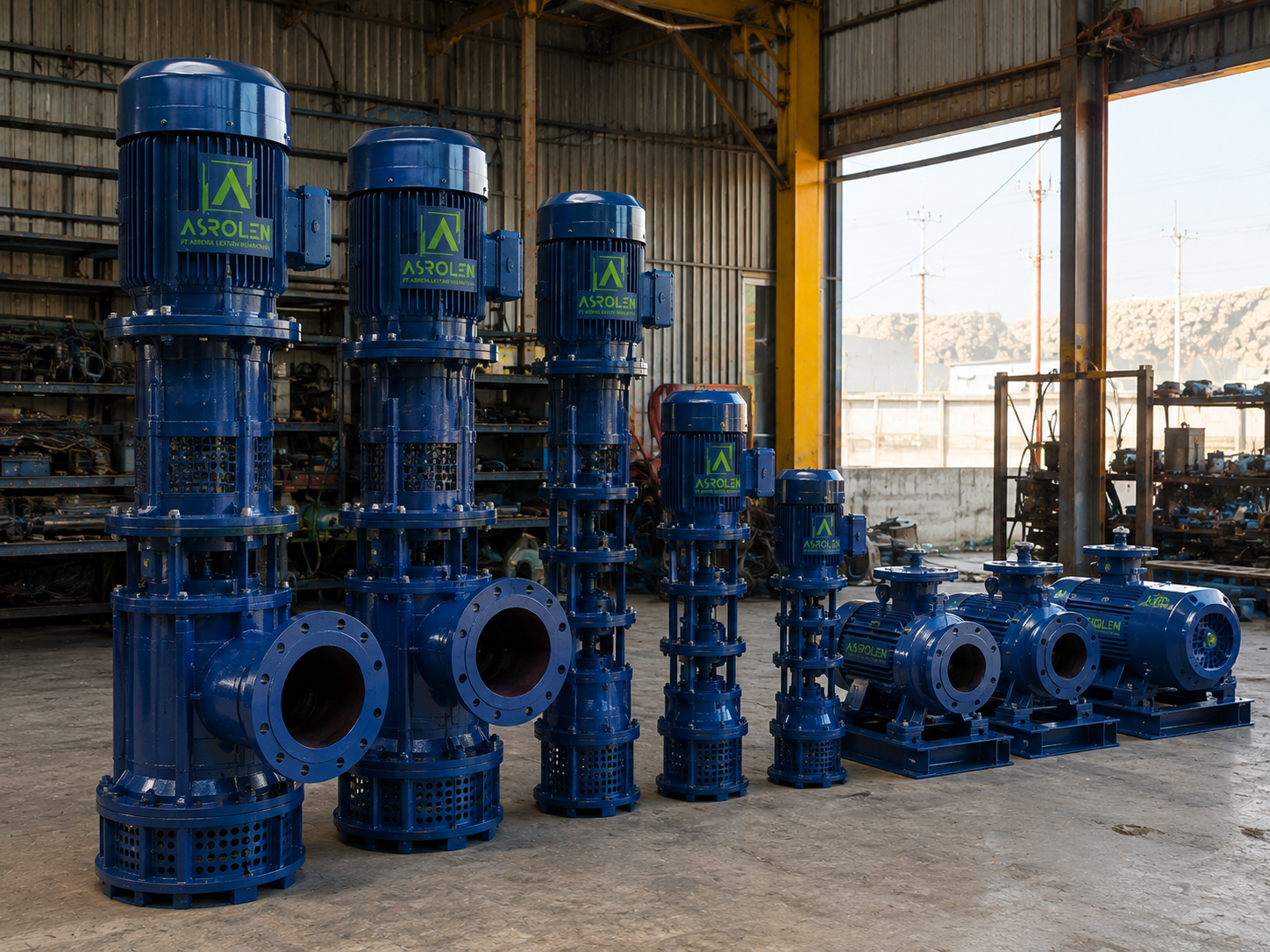
Dynamic Pumps move fluids by adding kinetic energy to the liquid. This category is widely used in industrial applications due to its efficiency and simple operating principles. - Centrifugal Pumps
Centrifugal pumps are the most common type of dynamic pump. They use a rotating impeller to generate centrifugal force, allowing fluid to flow through pipes and processing systems. - Submersible Pumps
Submersible pumps operate while fully immersed in liquid and are commonly used to transfer groundwater, sewage, wastewater, or chemicals from one location to another. - Positive Displacement Pumps
Positive displacement pumps move fluid by trapping a fixed amount and forcing it through the system. They are suitable for applications that require consistent flow regardless of pressure. - Diaphragm Pumps
Diaphragm pumps are designed to handle a wide range of fluids, including those containing solids. They are often used in wastewater treatment facilities and chemical processing plants, especially when handling hazardous materials. - Piston Pumps
Piston pumps deliver precise volumes of fluid at high pressure, making them ideal for hydraulic systems and oil and gas applications. - Peristaltic Pumps
Peristaltic pumps transport fluids through flexible tubing, keeping the fluid isolated from pump components. This design makes them suitable for clean and sensitive applications such as laboratories, food and beverage production, and biotechnology.
How Does a Pump Work
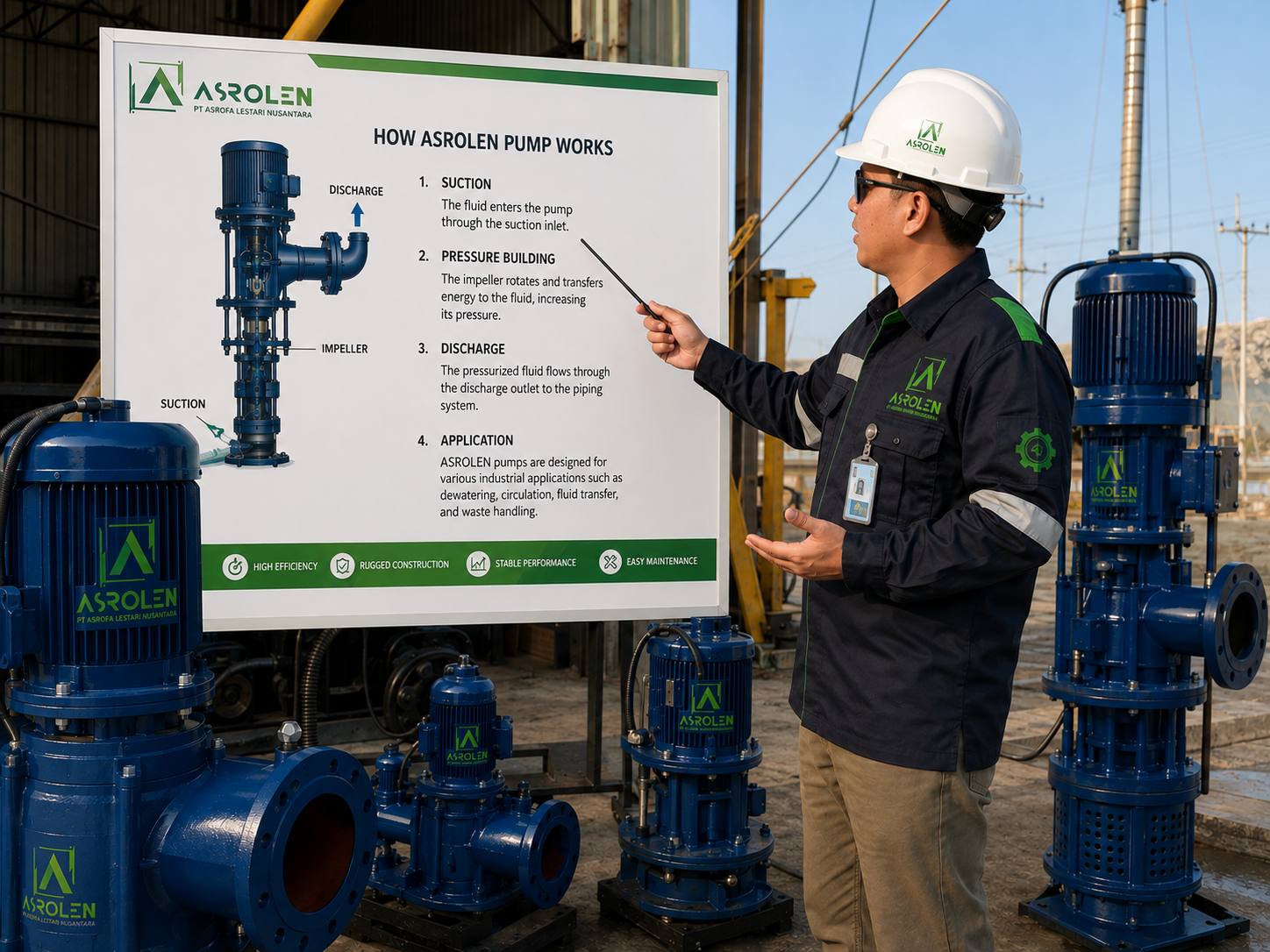
Pumps function by generating a pressure differential that enables fluid transfer from a low pressure zone to a higher pressure zone. Dynamic pumps achieve this through rotational motion that imparts energy to the fluid, creating low pressure at the pump inlet. Positive displacement pumps rely on mechanical components such as pistons or diaphragms to move a fixed volume of fluid through the system. Critical components including impellers, mechanical seals, and bearings are subject to continuous wear, and misalignment between the pump and motor can accelerate component degradation, leading to leaks, efficiency loss, and unplanned pump failure.
Top Causes of Pump Failure
Pump failures may result from multiple factors, with the following being among the most frequent causes.
- Mechanical seal damage or leakage
Often caused by inadequate lubrication or improper priming, leading to overheating and seal failure. - Blockages from dirt or debris
Foreign particles can restrict fluid flow and place excessive strain on pump components. - Excessive wear on critical parts
Components such as impellers, seals, and bearings gradually degrade over time, reducing pump efficiency and reliability. - Electrical issues
Problems such as voltage fluctuations, power surges, or unexpected outages can damage motors and control systems. - Pump and motor misalignment
Misalignment between shafts increases vibration and accelerates wear on bearings and seals. Even small alignment errors can result in significant operational problems.
Pump Alignment Tools
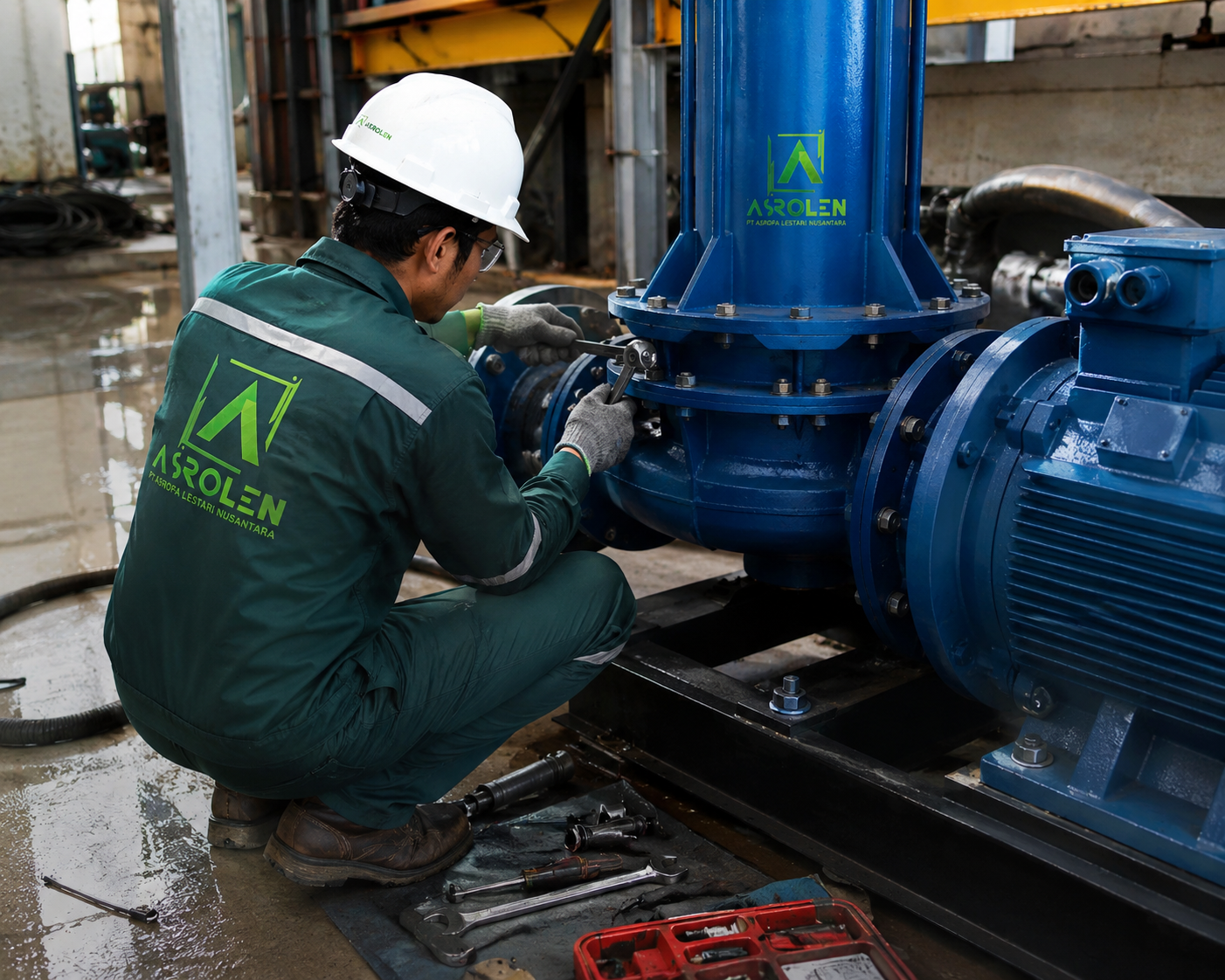
Improper pump alignment can lead to multiple problems, including excessive vibration, accelerated component wear, seal failures, and increased energy consumption. In the past, checking pump alignment was a difficult and time intensive process, but modern laser alignment tools have made it faster, more accurate, and easier to perform. Single laser alignment systems provide precise and repeatable measurements, allowing maintenance teams to trust their results with confidence. These tools require minimal setup and can automatically compensate for errors caused by vibration, backlash, or environmental conditions. Advanced laser alignment systems often feature touchscreens that guide users step by step through the alignment process, enabling even newly trained personnel to achieve accurate alignment with minimal instruction.
Article Source: Pruftechnik
More Article
What Is a Pump? Definition, Examples, and Best Tools
Pumps are essential across nearly all industries, including food and beverage as well as pharmaceuticals, where they support a wide range of critical processes. Because of their importance, pump failures can have serious consequences, potentially halting entire operations and resulting in costly repairs and production downtime. This raises an important question about what a pump is and how it functions within industrial systems.
This article explores the most common types of industrial pumps and explains how unplanned downtime and pump failures can be reduced through the use of precise alignment tools.
What Is a Pump?
A pump is a mechanical device designed to move liquids or gases from one location to another. In industrial settings, pumps convert mechanical energy produced by a motor into hydraulic energy, providing the force required to transport fluids. Beyond basic transfer, pumps are also used to circulate fluids in heating and cooling systems, blend liquids during food and beverage production, and clean or purify contaminated fluids.
Types of Pumps in Industrial Manufacturing
In general, pumps can be divided into two types: dynamic pumps and positive displacement pump
- Dynamic pumps
Dynamic Pumps move fluids by adding kinetic energy to the liquid. This category is widely used in industrial applications due to its efficiency and simple operating principles. - Centrifugal Pumps
Centrifugal pumps are the most common type of dynamic pump. They use a rotating impeller to generate centrifugal force, allowing fluid to flow through pipes and processing systems. - Submersible Pumps
Submersible pumps operate while fully immersed in liquid and are commonly used to transfer groundwater, sewage, wastewater, or chemicals from one location to another. - Positive Displacement Pumps
Positive displacement pumps move fluid by trapping a fixed amount and forcing it through the system. They are suitable for applications that require consistent flow regardless of pressure. - Diaphragm Pumps
Diaphragm pumps are designed to handle a wide range of fluids, including those containing solids. They are often used in wastewater treatment facilities and chemical processing plants, especially when handling hazardous materials. - Piston Pumps
Piston pumps deliver precise volumes of fluid at high pressure, making them ideal for hydraulic systems and oil and gas applications. - Peristaltic Pumps
Peristaltic pumps transport fluids through flexible tubing, keeping the fluid isolated from pump components. This design makes them suitable for clean and sensitive applications such as laboratories, food and beverage production, and biotechnology.
How Does a Pump Work
Pumps function by generating a pressure differential that enables fluid transfer from a low pressure zone to a higher pressure zone. Dynamic pumps achieve this through rotational motion that imparts energy to the fluid, creating low pressure at the pump inlet. Positive displacement pumps rely on mechanical components such as pistons or diaphragms to move a fixed volume of fluid through the system. Critical components including impellers, mechanical seals, and bearings are subject to continuous wear, and misalignment between the pump and motor can accelerate component degradation, leading to leaks, efficiency loss, and unplanned pump failure.
Top Causes of Pump Failure
Pump failures may result from multiple factors, with the following being among the most frequent causes.
- Mechanical seal damage or leakage
Often caused by inadequate lubrication or improper priming, leading to overheating and seal failure. - Blockages from dirt or debris
Foreign particles can restrict fluid flow and place excessive strain on pump components. - Excessive wear on critical parts
Components such as impellers, seals, and bearings gradually degrade over time, reducing pump efficiency and reliability. - Electrical issues
Problems such as voltage fluctuations, power surges, or unexpected outages can damage motors and control systems. - Pump and motor misalignment
Misalignment between shafts increases vibration and accelerates wear on bearings and seals. Even small alignment errors can result in significant operational problems.
Pump Alignment Tools
Improper pump alignment can lead to multiple problems, including excessive vibration, accelerated component wear, seal failures, and increased energy consumption. In the past, checking pump alignment was a difficult and time intensive process, but modern laser alignment tools have made it faster, more accurate, and easier to perform. Single laser alignment systems provide precise and repeatable measurements, allowing maintenance teams to trust their results with confidence. These tools require minimal setup and can automatically compensate for errors caused by vibration, backlash, or environmental conditions. Advanced laser alignment systems often feature touchscreens that guide users step by step through the alignment process, enabling even newly trained personnel to achieve accurate alignment with minimal instruction.
Article Source: Pruftechnik