Article
Article
The Right Time to Perform Pump Maintenance
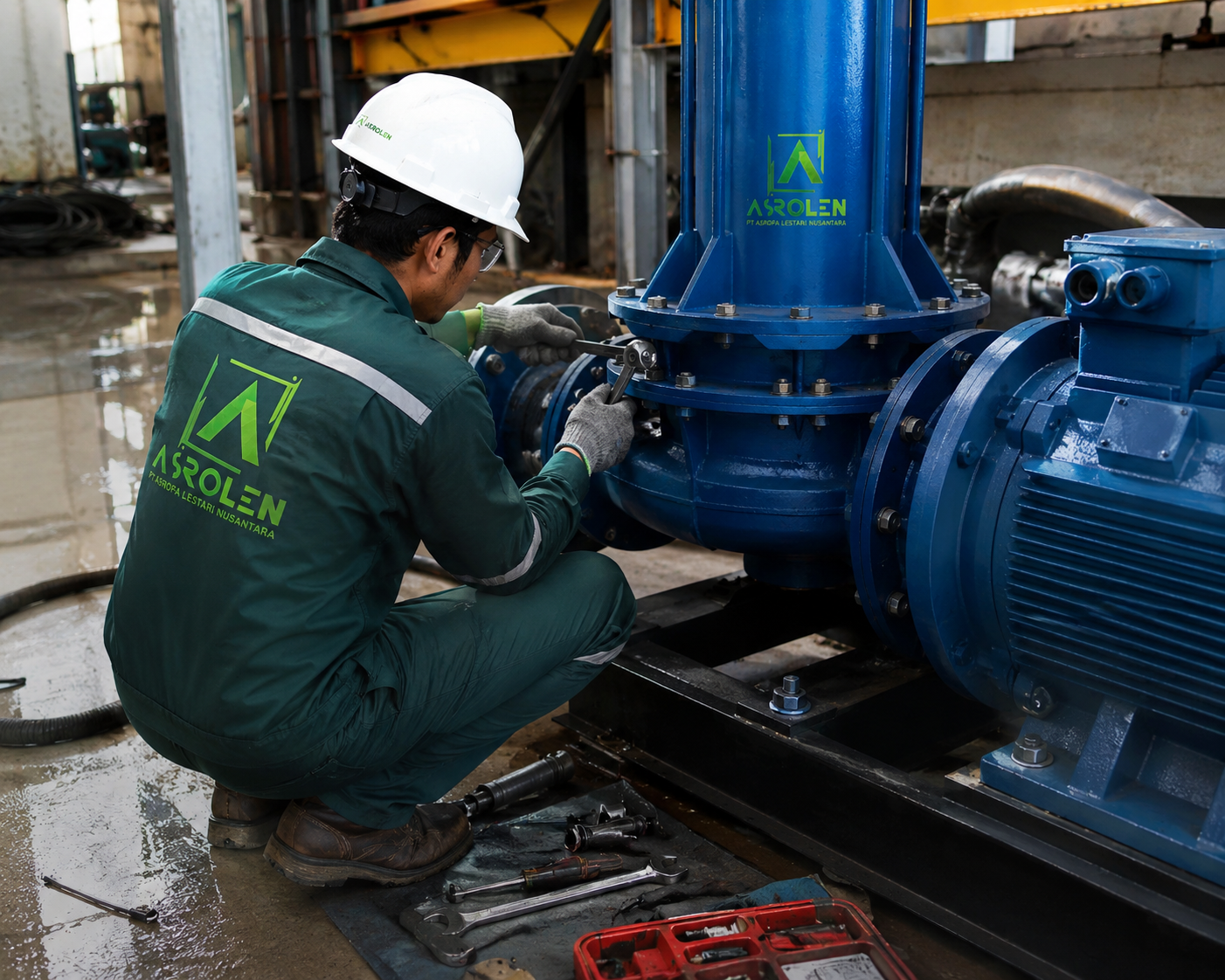
Industrial operations rely on dependable equipment, and pumps play a vital role in maintaining productivity and safety. Pump failures can cause significant downtime, leading to production losses, costly repairs, and operational risks, especially in critical processes or maritime environments. For this reason, proper pump maintenance is essential to ensure reliability and continuity of operations.
Types of Pump Maintenance
Pump maintenance generally falls into two categories:
- Corrective Maintenance
Corrective maintenance is performed after a pump failure has occurred. Its primary goal is to restore operation as quickly as possible to minimize production losses and operational disruption. - Preventive Maintenance
Preventive maintenance focuses on preventing failures before they happen by following scheduled inspections and maintenance activities. This approach helps reduce unexpected downtime, extend equipment lifespan, and improve overall pump reliability.
Implementing Preventive Maintenance
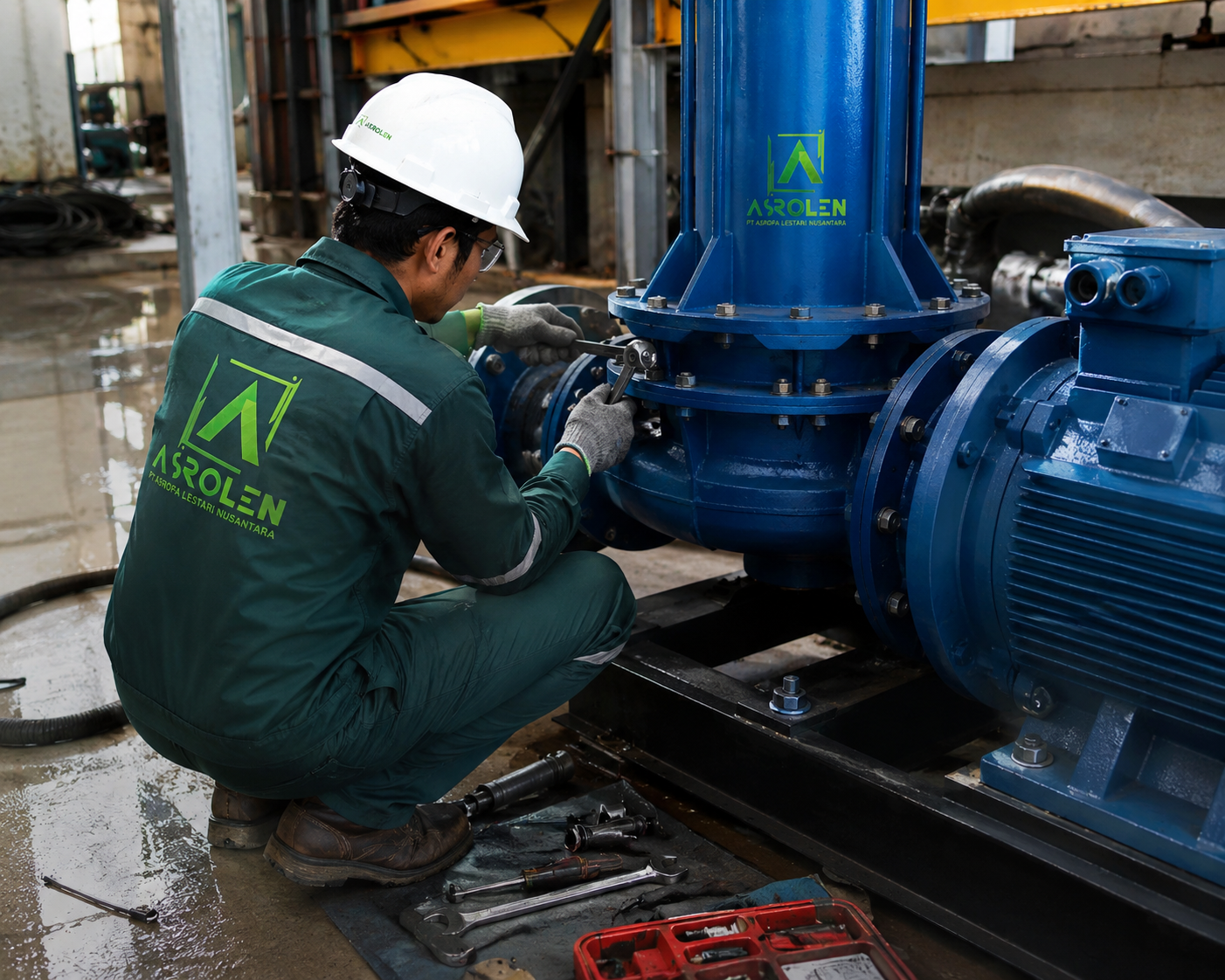
If a pump is operating on site without a maintenance program, the first step is to assign responsibility to a qualified individual or team such as in house engineers or operations staff. Although many pump suppliers offer servicing contracts, regular internal inspections are recommended to identify issues between scheduled services and prevent unexpected failures.
A basic pump maintenance program includes routine performance checks, inspection of wear components, and lubrication of bearings and joints. Daily visual inspections are especially effective for early problem detection. Key issues to monitor include:
- Leaks
Check around seals, stuffing boxes, and pipe connections, as leaks reduce performance and often indicate worn components. - Unusual Noise
Abnormally loud, grinding, or popping sounds may signal bearing wear or cavitation near the impeller. - Excessive Vibration
High vibration levels can result from impeller imbalance, mechanical damage, or pump and motor misalignment. - Corrosion
Rust, cracking, or discoloration of casings and pipework indicate corrosion that can weaken components and contaminate fluids. - Overheating
Excessive heat in the pump or motor suggests internal friction, incorrect power supply, or operation outside optimal conditions. - Clogging
Solids in the fluid can block impellers or valves, leading to reduced flow and performance loss.
Beyond daily checks, wear parts such as mechanical seals and impellers should be replaced on a scheduled basis, typically every one to two years. Keeping spare parts on site is considered best practice to minimize downtime and ensure quick maintenance response.
Understanding the Pump Maintenance Schedule
Preventive pump maintenance should be incorporated into a scheduled maintenance plan. By clearly defining when specific tasks need to be performed, maintenance activities become more organized and efficient, reducing the risk of tasks being overlooked. This approach not only lowers the chance of unexpected pump failures and unplanned downtime but also helps reduce overall ownership costs, as replacing wear components is far more cost effective than replacing the entire pump.
Daily Maintenance
Daily checks help detect early signs of pump problems and only take a short amount of time. Key tasks include:
- Checking for overheating
- Listening for cavitation and bearing noise
- Monitoring motor current and voltage
Weekly Maintenance
Weekly inspections focus on overall pump performance and visible condition. These checks include:
- Reviewing suction and discharge pressure
- Monitoring vibration and noise levels
- Inspecting seals and pipework for leaks
- Checking for corrosion or discoloration
Monthly Maintenance
Monthly maintenance involves more detailed inspections to ensure stable operation. Recommended tasks are:
- Inspecting the shaft and auxiliary components
- Checking coupling alignment
- Topping up lubrication oil if required
Annual Maintenance
Annual maintenance is more comprehensive and usually requires additional time and manpower. It includes:
- Testing the backup pump if available
- Checking axial movement of the motor shaft
- Cleaning auxiliary components such as valves, piping, and sight glasses
- Inspecting coupling components and replacing worn rubber parts if necessary
Major Maintenance Every 2 Years or 10,000 Hours
Major maintenance is essential for long term reliability and involves deeper inspection and part replacement, including:
- Dismantling the pump from the piping
- Inspecting and replacing wear parts such as impellers, wear rings, O rings, and shafts
- Applying protective coating to unmachined surfaces
More Article
The Right Time to Perform Pump Maintenance
Industrial operations rely on dependable equipment, and pumps play a vital role in maintaining productivity and safety. Pump failures can cause significant downtime, leading to production losses, costly repairs, and operational risks, especially in critical processes or maritime environments. For this reason, proper pump maintenance is essential to ensure reliability and continuity of operations.
Types of Pump Maintenance
Pump maintenance generally falls into two categories:
- Corrective Maintenance
Corrective maintenance is performed after a pump failure has occurred. Its primary goal is to restore operation as quickly as possible to minimize production losses and operational disruption. - Preventive Maintenance
Preventive maintenance focuses on preventing failures before they happen by following scheduled inspections and maintenance activities. This approach helps reduce unexpected downtime, extend equipment lifespan, and improve overall pump reliability.
Implementing Preventive Maintenance
If a pump is operating on site without a maintenance program, the first step is to assign responsibility to a qualified individual or team such as in house engineers or operations staff. Although many pump suppliers offer servicing contracts, regular internal inspections are recommended to identify issues between scheduled services and prevent unexpected failures.
A basic pump maintenance program includes routine performance checks, inspection of wear components, and lubrication of bearings and joints. Daily visual inspections are especially effective for early problem detection. Key issues to monitor include:
- Leaks
Check around seals, stuffing boxes, and pipe connections, as leaks reduce performance and often indicate worn components. - Unusual Noise
Abnormally loud, grinding, or popping sounds may signal bearing wear or cavitation near the impeller. - Excessive Vibration
High vibration levels can result from impeller imbalance, mechanical damage, or pump and motor misalignment. - Corrosion
Rust, cracking, or discoloration of casings and pipework indicate corrosion that can weaken components and contaminate fluids. - Overheating
Excessive heat in the pump or motor suggests internal friction, incorrect power supply, or operation outside optimal conditions. - Clogging
Solids in the fluid can block impellers or valves, leading to reduced flow and performance loss.
Beyond daily checks, wear parts such as mechanical seals and impellers should be replaced on a scheduled basis, typically every one to two years. Keeping spare parts on site is considered best practice to minimize downtime and ensure quick maintenance response.
Understanding the Pump Maintenance Schedule
Preventive pump maintenance should be incorporated into a scheduled maintenance plan. By clearly defining when specific tasks need to be performed, maintenance activities become more organized and efficient, reducing the risk of tasks being overlooked. This approach not only lowers the chance of unexpected pump failures and unplanned downtime but also helps reduce overall ownership costs, as replacing wear components is far more cost effective than replacing the entire pump.
Daily Maintenance
Daily checks help detect early signs of pump problems and only take a short amount of time. Key tasks include:
- Checking for overheating
- Listening for cavitation and bearing noise
- Monitoring motor current and voltage
Weekly Maintenance
Weekly inspections focus on overall pump performance and visible condition. These checks include:
- Reviewing suction and discharge pressure
- Monitoring vibration and noise levels
- Inspecting seals and pipework for leaks
- Checking for corrosion or discoloration
Monthly Maintenance
Monthly maintenance involves more detailed inspections to ensure stable operation. Recommended tasks are:
- Inspecting the shaft and auxiliary components
- Checking coupling alignment
- Topping up lubrication oil if required
Annual Maintenance
Annual maintenance is more comprehensive and usually requires additional time and manpower. It includes:
- Testing the backup pump if available
- Checking axial movement of the motor shaft
- Cleaning auxiliary components such as valves, piping, and sight glasses
- Inspecting coupling components and replacing worn rubber parts if necessary
Major Maintenance Every 2 Years or 10,000 Hours
Major maintenance is essential for long term reliability and involves deeper inspection and part replacement, including:
- Dismantling the pump from the piping
- Inspecting and replacing wear parts such as impellers, wear rings, O rings, and shafts
- Applying protective coating to unmachined surfaces